

Cook Museum Expands VR Dissection Activities
The Cook Museum of Natural Science in Decatur has expanded its virtual reality dissection programme with new activities for students, teachers and public visitors. The programme combines digital technology with science education and allows participants to study animal anatomy through digital sessions.
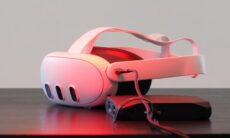
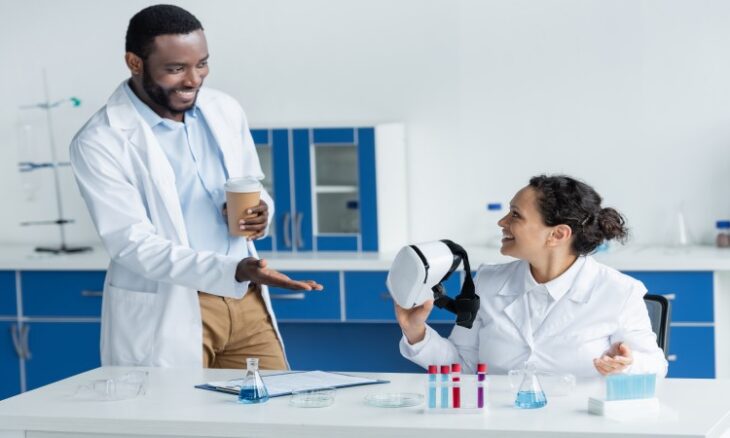
The museum recently introduced the VR dissection experience as part of its field trip programme and seasonal educational activities. Participants can complete dissections of sharks, squid, frogs, and sea stars in a self-guided digital format. The sessions are led by a virtual teacher who has received a national teaching award.
The museum stated that students move through the programme at their own pace during the sessions. The system allows participants to complete each stage before progressing to the next.
The VR dissection programme has also been approved by AMSTI and TEAMS for teacher professional development credits. The museum’s education department worked with VictoryXR to customise the dissection experiences so they aligned with the museum curriculum and met state science standards.
Authorities in the museum noted that after the introduction of the guest programme, the student participation in the VR dissection activities has risen significantly.
Kimber Appleton, Education Manager at the Cook Museum of Natural Science, said the museum decided to replace traditional dissections with VR sessions because some students had negative reactions to the sensory elements associated with traditional dissection.
Appleton stated that the VR format allows students to work through the material at an individual pace. The programme also allows students to complete each stage before moving to the next section of the activity.
The museum stated that the system enables full classes to participate in sessions simultaneously. According to the museum, this ensures that all students can participate equally in the activities.
The Cook Museum stated that it is the only museum currently using VictoryXR’s VR dissection technology to support grade school field trips. The programme was introduced as an alternative method for anatomy study while continuing to adhere to the structure of standard dissection exercises.
The VR system allows participants to repeat sections of the activities during the sessions. Users can pause the programme when required and enlarge visual details for closer examination. Participants can also inspect anatomical systems in greater detail throughout the sessions.
The museum stated that the VR format retains the scientific structure of traditional dissections while introducing digital learning technology into the activities. The organisation also stated that the system mirrors changes taking place within STEM education programmes.
Museum staff members stated that installing the VR equipment has enabled the institution to expand its educational activities to additional student and visitor groups. The programme is intended for younger students and adult participants.
Beginning this summer, the museum will make the VR dissection sessions available to the public during a programme called VR Thursdays. Additional sessions are also planned as part of a Shark Week activity schedule.
The museum stated that public VR sessions will take place every Thursday throughout June and July. Visitors aged 11 and older will be able to participate in individually paced dissection activities during those sessions.
According to the museum, each VR activity is expected to last between 30 minutes and one hour. The duration depends on the species being examined during the session.
Squid, sea star and frog dissections will be offered on selected Thursdays throughout the summer programme. Shark dissections are scheduled for Saturday, 11 July, during the Shark Week activities.
The museum stated that the expanded programme is designed to support school field trips, educational activities and public participation. Information about field trips, public classes and registration for upcoming VR sessions is available through the Cook Museum of Natural Science website.